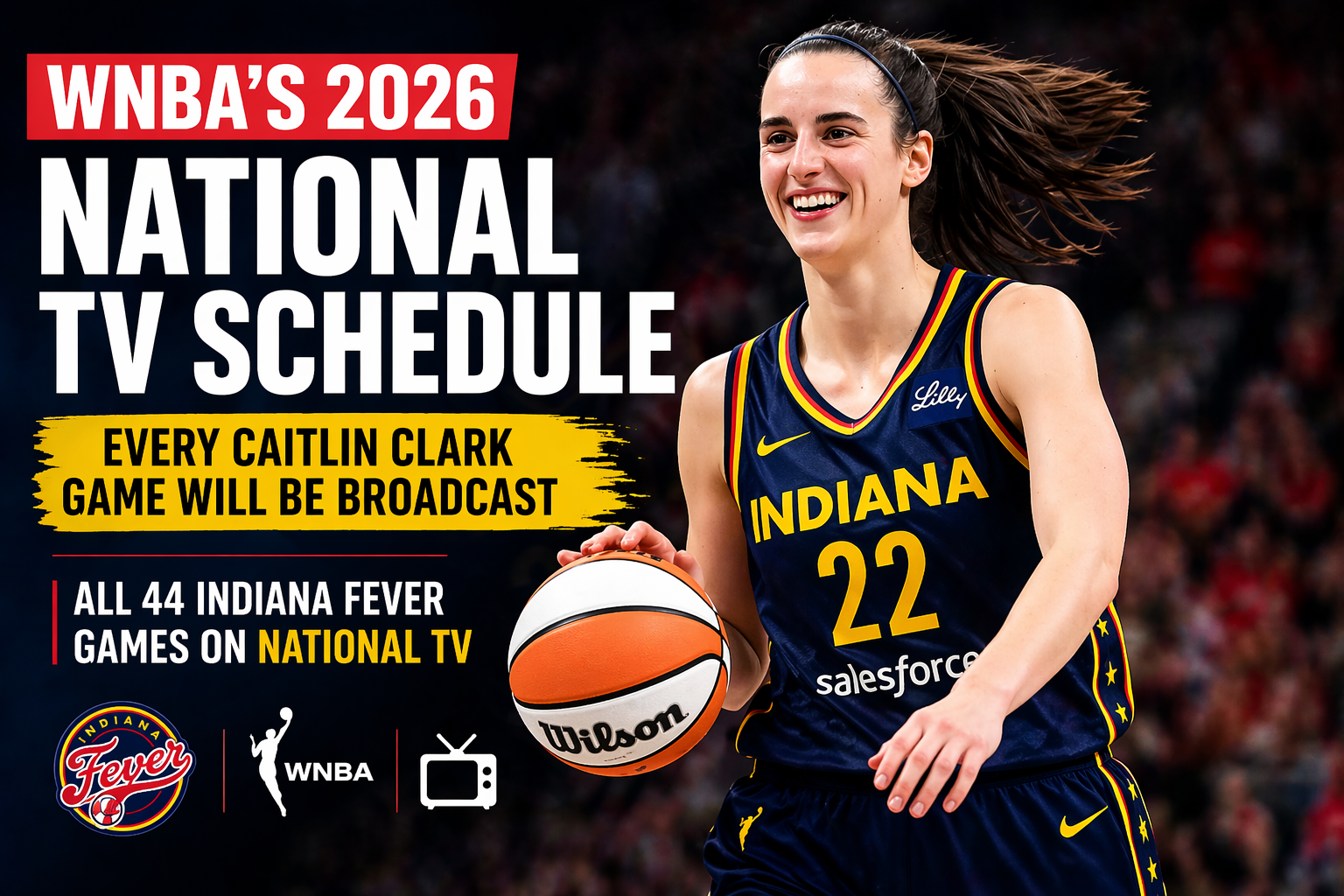









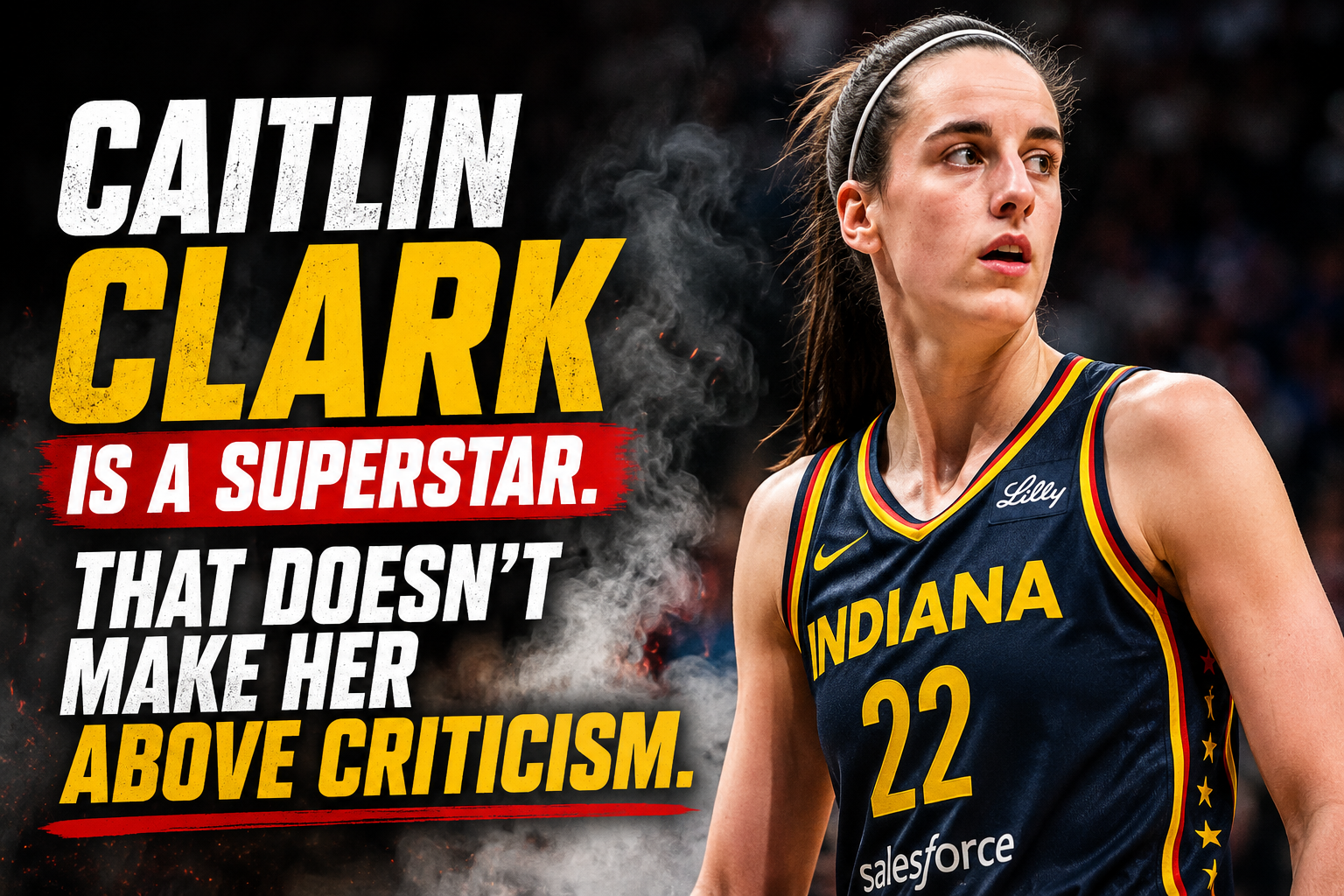
Caitlin Clark is the biggest star in the WNBA.
She fills arenas, drives television ratings, and generates more discussion than any player in the league.
Clark’s greatness is obvious.
The more difficult question is everything that comes after.
Her 44.9 Assist Percentage ranks among the best in the WNBA and reflects a level of offensive creation few guards can match.
She sees passes that others don’t and creates opportunities that few basketball players can.
Nobody disputes any of that.
Yet the discussion becomes more complicated when the remaining numbers enter the conversation.
Clark’s 15.0 Turnover Ratio is among the highest for high-usage guards. Her 1.78 assist-to-turnover ratio trails several elite guards around the league.
The same creativity that produces spectacular assists can also lead to empty possessions.
That’s not hate.
That’s analysis.
The same applies on the defensive end.
When discussing the best guards in the WNBA, defense matters. Possessions matter. Overall impact matters.
Take Rhyne Howard. Howard owns a Defensive Rating of 96.7 and a Net Rating of +9.5.
Or consider Courtney Williams. Williams posts a better assist-to-turnover ratio (2.50) while carrying a turnover ratio nearly half of Clark’s. She contributes on both ends of the floor and consistently impacts winning without dominating the national conversation.
Those comparisons are not intended to diminish Clark.
They’re intended to answer a question.
If Clark is the best guard in the WNBA, what separates her from the other elite guards competing for that title?
That’s a basketball discussion.
It should not be controversial.
Yet criticism of Clark often generates a reaction rarely seen with other superstars.
Point out a turnover, and you’re accused of hating.
Question her defense, and you’re told you don’t understand basketball.
Mention a visible disagreement with a coach, and suddenly the discussion shifts toward the coach, the front office, the roster, or the officials.
Sometimes all of them at once.
Compare that to the way sports fans discuss LeBron James.
When LeBron turns the ball over, analysts discuss the turnover.
When LeBron argues with a coach, analysts discuss LeBron’s actions.
Nobody suggests that criticism should be off limits because he’s a superstar.
In fact, the opposite is true.
The bigger the star, the higher the standard.
Clark deserves that same standard.
Pointing out turnovers is not hate.
Pointing out defensive shortcomings is not hate.
Pointing out mistakes is not hate.
It’s what happens when great players are evaluated honestly.
The irony is that lowering the standard for Clark would be far more insulting than raising it.
Superstars are supposed to face difficult questions.
They’re supposed to be compared to the best players in the league.
They’re supposed to be judged by championship standards.
Clark’s supporters are right about one thing.
She is special.
What remains unsettled is whether the rest of her game matches the extraordinary reputation that surrounds her.
That’s not an attack.
It’s the most important basketball question she still has left to answer.
And the answer won’t be found in ticket sales, television ratings, or social media engagement.
It will be found where it always is.
On the court.